

Mailing List
Sign up for our mailing list to get latest updates and offers.
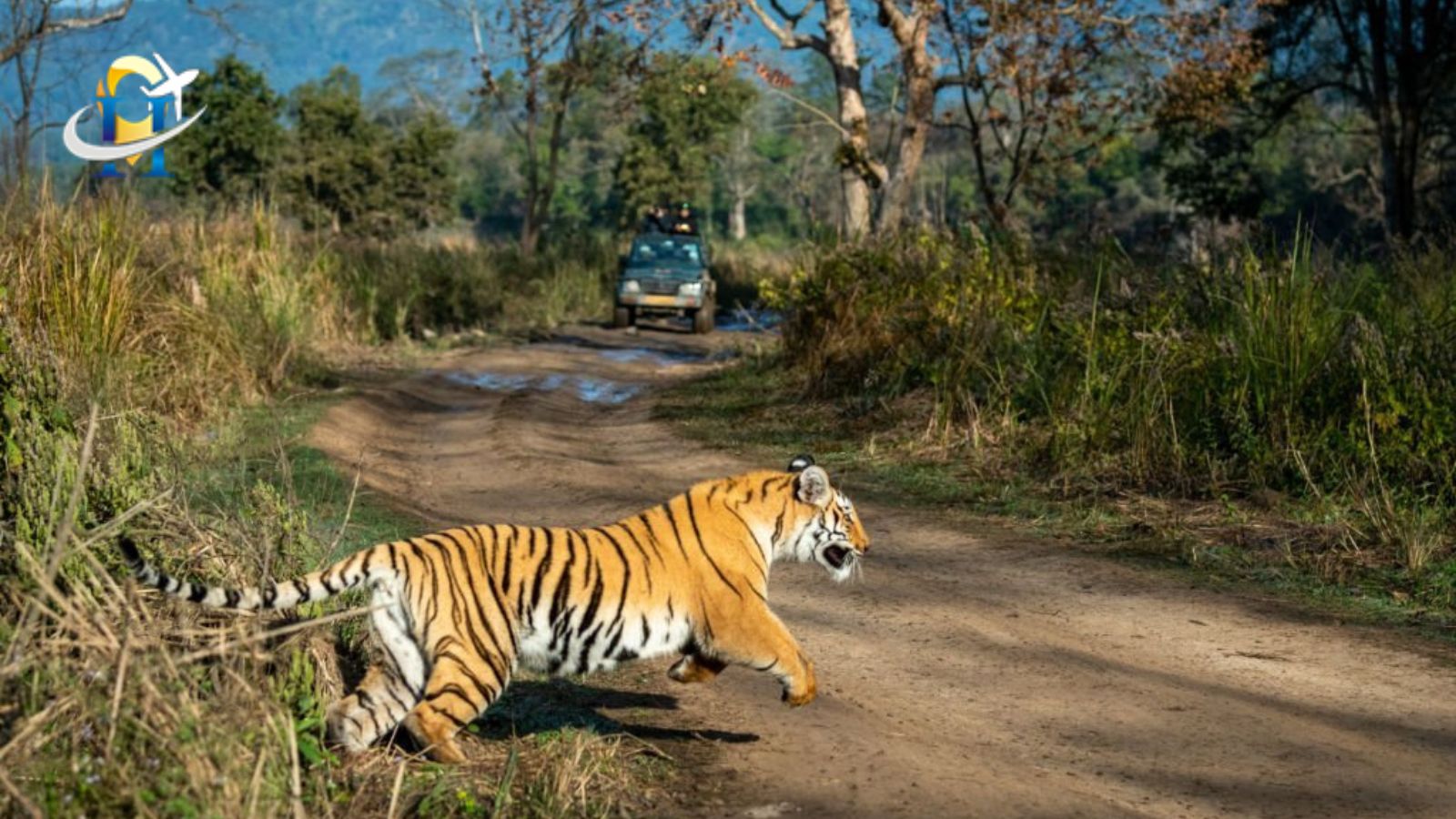
If you're wondering whilst going to Uttar Pradesh’s Dudhwa Tiger Reserve, now's the time. Dudhwa Tiger Reserve isn't any stranger in terms of top wildlife experiences in India. The forest of Dudhwa, with its tigers, sloth bears, one-horned rhinoceros, and over 400 chook species, is a wildlife hotspot. What if we told you that now there’s more to Dudhwa than its wildlife?
Read More:
Uttar Pradesh, in an effort to raise eco-tourism in the state, is going to introduce tribal tourism in Dudhwa Tiger Reserve. The tiger reserve comprises Dudhwa National Park, Kishanpur Wildlife Sanctuary, and Katerniaghat Wildlife Sanctuaries, and this new initiative will take place near Katarniaghat Wildlife Sanctuary, in Bardiya village.
Bardiya village is domestic to the Tharu tribe, one of the 5 tribes which can be there in Uttar Pradesh. The people from this tribe stay inside the tiger reserve and their village has been decided on for the aforementioned tribal tourism.
Through this initiative, site visitors can study a lot about the life and subculture of Tharus. Also, the Tharu humans will engage in ecotourism and can be able to place out their indigenous artwork and handicrafts to a wider audience.
Dudhwa Tiger Reserve will officially reopen for the season on November 15, meaning, the tribal tourism initiative may also kickstart then.
When we study tribal tourism, we need to keep an open thought about lots of factors such as – there'll now no longer be world-elegance centers and experiences, you may be experiencing a tribal village tradition, and the roads might not be the maximum snug ones. But those are all part of the enjoyment and there are masses of latest matters to research from those forms of tourism.
One example of tribal tourism in and around flora and fauna parks is the only one they have in Kanha National Park’s Mukki Zone. The Baherakhar village in Balaghat district in Kanha, Madhya Pradesh is a great location to experience the culture and lifestyle of the Baiga and Gond tribes of Kanha.
© 2021 HelloVisit. All rights reserved
